



Welding is an integral process within many industries, including construction, automotive manufacturing, and heavy industry. Although essential, welding activities inherently present significant safety hazards such as intense heat, sparks, molten metal splashes, and radiation exposure. Appropriate flame-resistant protective clothing is therefore indispensable, acting as the first line of defence in mitigating these risks.
When selecting protective clothing for welding, understanding the distinctions between the key standards, EN ISO 11611 and EN ISO 11612, is crucial. Both standards address heat and flame protection, but their specific applications and performance criteria differ significantly.
EN ISO 11611: Specifically for Welding Operations
EN ISO 11611, titled “protective clothing for use in welding and allied processes,” is explicitly tailored for welders. It sets specific requirements to protect workers from hazards directly associated with welding processes.
Protective clothing certified under EN ISO 11611 must fulfil criteria including:
- Limited Flame Spread: Garments must resist flame propagation from sparks or brief flame contacts.
- Molten Metal and Spark Resistance: Materials should effectively prevent penetration of sparks and molten metal droplets.
- Radiant Heat Protection: Clothing must adequately insulate the wearer against intense heat radiation common in welding environments.
- Mechanical Durability: Fabric must withstand abrasion, tearing, and other physical stresses typical in welding workplaces.
- Comfort and Mobility: The clothing must enable sufficient freedom of movement to allow welders to perform tasks effectively without restriction.
EN ISO 11611 also categorizes protective clothing into two classes, based on the intensity of welding activities:
- Class 1: Designed for lower-risk welding operations with fewer sparks and less heat or radiation.
- Class 2: Suitable for higher-risk welding techniques generating significant amounts of sparks, molten metal splash, and intense radiant heat.
The latest valid version, EN ISO 11611:2015, replacing the 2007 standard, introduces enhanced testing methods and stricter compliance criteria, thus providing increased safety assurance.
EN ISO 11612: General Heat and Flame Protection
EN ISO 11612, titled “protective clothing—clothing to protect against heat and flame,” addresses general industrial settings involving heat and flames beyond welding alone. This standard ensures protective garments can withstand various heat sources and situations, including radiant heat, convective heat, contact heat, and splashes of molten metals such as aluminium, iron, steel, and copper.
Unlike EN ISO 11611, EN ISO 11612 evaluates specific performance parameters against distinct heat and molten metal splash types. Performance levels (such as D and E for aluminium and iron splashes, respectively) measure resistance against molten metal splash, with level 3 representing the highest level of protection offered within the standard.
Protective clothing certified under EN ISO 11612 typically serves broader industrial applications, ensuring general protection against diverse heat-related hazards, making it less specific to welding but crucial for overall industrial heat safety.
Importance of Certification and Compliance
Ensuring that protective clothing is fully certified according to these standards is critical. A garment’s fabric certification alone is insufficient; it is mandatory for the finished garment to hold the CE mark, confirming compliance with the EU Regulation 2016/425. This CE marking provides tangible proof that the protective clothing has passed rigorous independent testing and fully meets the European Union safety requirements.
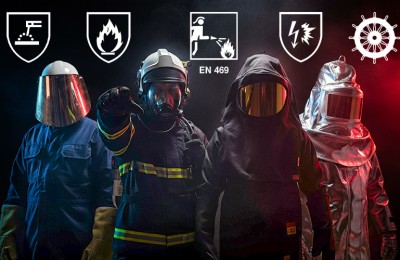
At IST Safety Ltd., we specialise in manufacturing advanced protective welding suits and molten metal splash protective clothing, FYRTEX® Metal SplashGuard 375 and WeldSplash 400, that comply with both EN ISO 11611 and EN ISO 11612 standards. These suits feature multi-layer designs, robust protection from molten metal splashes (certified to the highest D3 and E3 levels), and Class 2 protection suitable for hazardous welding activities. Moreover, our protective clothing integrates anti-static properties according to EN 1149-5, effectively reducing electrostatic risks in explosive environments.
EN 1149 is a critical standard addressing the safety risks posed by electrostatic discharges in environments that may contain explosive or flammable substances. Protective clothing certified under EN 1149 includes anti-static fibres designed to dissipate electrostatic charges effectively, thus reducing the risk of igniting explosive atmospheres. It is essential, however, to understand that EN 1149 does not provide protection against electric shocks or high voltage exposure, and garments meeting this standard are specifically intended to manage static electricity hazards only.
Conclusion
Understanding the differences and complementary roles of standards EN ISO 11611 and EN ISO 11612 enables industry professionals to make informed decisions when selecting protective clothing. Prioritising garments that meet the latest standards and certifications significantly enhances workplace safety and protects the health and well-being of welding professionals.
IST Safety Ltd. remains committed to deliver high-performance protective solutions that combine robust protection, comfort, and compliance, ensuring both safety and efficiency in your welding operations.

Your Comments