


A Comprehensive Guide to Technical Textile Standards: Deciphering Protective Clothing Codes
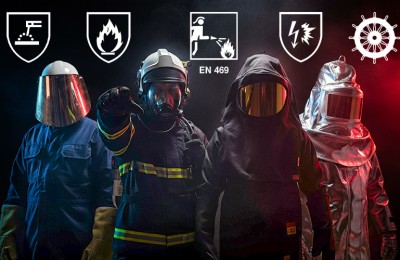
When choosing protective workwear, seeing codes like EN ISO 11612 A1 B1 C1 or IEC 61482-2 on the label can be confusing. These codes are far from being mere numbers; they are vital performance indicators that certify which tests the garment has passed and the level of protection it offers against specific risks.
At IST Safety, we have simplified the technical details and international standards of our textile product range to help you make the safest choice for your team.
1. Protection Against Heat and Flame: EN ISO 11612:2015
This standard measures the garment's performance when exposed to heat and flame. The letters on the label indicate the type of protection, while the numbers represent the performance level. For instance, a product labeled EN ISO 11612 A1 B1 C1 F1 provides basic protection, whereas higher numbers like C2, D3, E3 indicate resistance to much more intense heat and molten metal splashes.
- A1 / A2: Limited flame spread (Surface and edge ignition tests).
- B: Convective Heat (Resistance to heat passing through from a flame).
- C: Radiant Heat (Resistance to heat emitted from a distance).
- D & E: Protection against Molten Aluminum (D) and Molten Iron (E) splashes.
- F: Resistance to Contact Heat.
2. Electric Arc Flash Protection: IEC / EN 61482
For those working near electrical panels or high-voltage lines, arc flash protection is a life-saving necessity. IST Safety offers high-performance arc flash protective suits with industry-leading values:
- IEC 61482-1-2 (Box Test): Classified as Class 1 (4kA) or Class 2 (7kA).
- IEC 61482-1-1 (Open Arc Test): Measures the Arc Thermal Performance Value (ATPV). Our product line includes options with top-tier protection levels such as 31 cal/cm², 40 cal/cm², 51 cal/cm², and even 63 cal/cm².
- GS ET 29: An additional German standard covering face and eye protection against electric arcs.
3. Welding and Allied Processes: EN ISO 11611:2015
This standard defines the protection level against small splashes of molten metal during welding:
- Class 1 A1: Suitable for manual welding techniques with light formation of splashes and drops.
- Class 2 A1+A2: Designed for more hazardous welding operations with higher levels of spatters and radiant heat. These welding suits offer superior mechanical durability.
4. Firefighting and Emergency Response Gear
Different standards apply to structural and wildland firefighting:
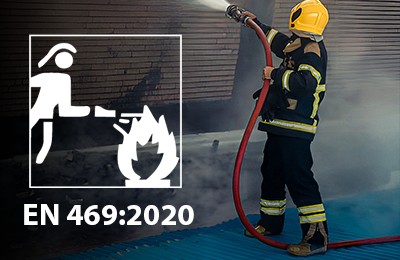
- EN 469:2020: The standard for structural firefighting. Performance levels like X2, Y2, Z2 signify heat transfer, water penetration, and water vapor resistance.
- EN 15614:2007: The standard for firefighter suits specifically designed for wildland (forest) firefighting.
- EN 13911: Protection requirements for firefighting hoods (balaclavas).
5. Antistatic and Specialized Certifications
- EN 1149-3/5: Essential for antistatic protective clothing used in explosive (ATEX) atmospheres to prevent static electricity discharge and sparking.
- MED Certified (Wheelmark): An international maritime directive required for use on ships and offshore platforms.
- EN 17353:2020 (Type AB3 / B2): The standard for high-visibility equipment for medium-risk situations, ensuring workers are seen in various lighting conditions.
Understanding Category II vs. Category III
- Category II: Covers intermediate risks (e.g., general mechanical risks).
- Category III (Complex Design): Protects against mortal or irreversible risks such as fire, electric arc, and chemical splashes. Most IST Safety technical textile products fall under Category III, ensuring the highest level of safety and rigorous third-party inspections.
To determine the level of protection your project requires and to explore our technical textile products, visit our website or consult with our expert technical team.


Your Comments